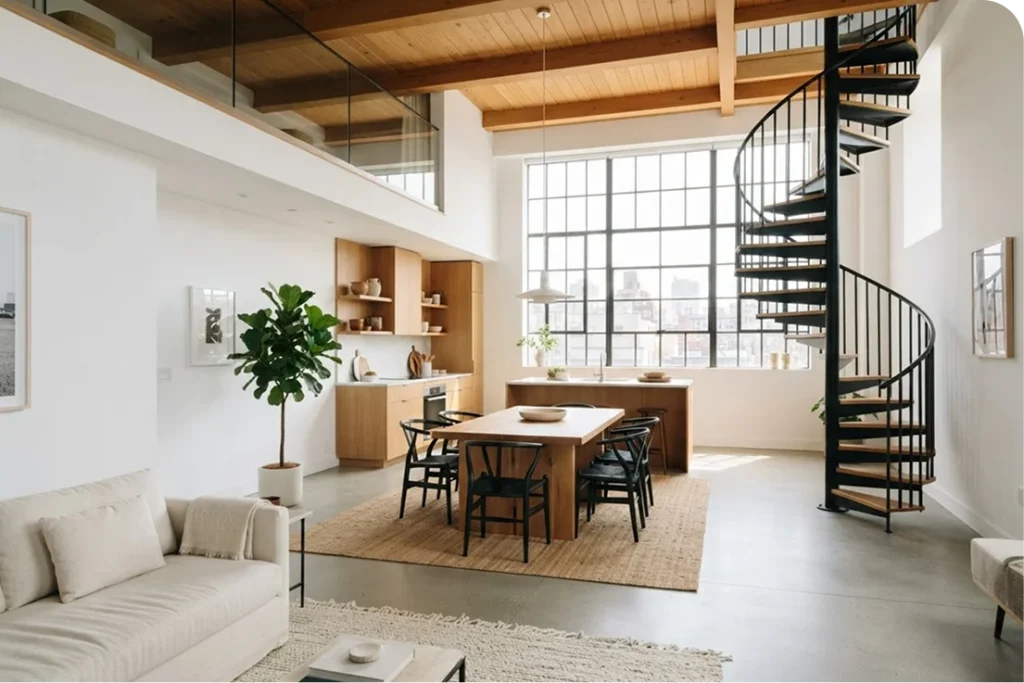

A successful build starts long before the first materials arrive. It starts with a shared understanding of what you want to create — and a plan for getting there.
Whether you are planning a new home, adapting a commercial space, or improving an existing building, the early conversations shape the decisions that follow. This guide brings the main planning questions together so you can approach those conversations with purpose.
Start with a clear brief
Before thinking about finishes or a start date, write down what the project needs to achieve. A family home, a workplace, and an industrial facility each have different priorities. Describe who will use the space, how it should function, and what is not working today.
Separate essentials from preferences. Useful daylight, accessible circulation, storage, and future flexibility may matter more than a particular surface or layout. A clear brief gives designers and builders a shared point of reference when choices become more detailed.
Bring a simple set of drawings, photographs, or examples to the first conversation. Explain what you like about each one rather than expecting an image to communicate the whole idea. The aim is a practical direction, not a fully resolved design.
Understand the site before the design
Every site has conditions that can influence a build. Access, slope, drainage, existing services, neighbouring properties, and ground conditions all deserve attention before a construction approach is agreed. For a renovation, the condition of the existing structure is just as important.
Ask which surveys, investigations, and specialist advice are needed. Planning requirements and approvals vary by location and project type, so confirm the relevant process with the local authority and qualified professionals. Early information helps the team identify constraints rather than discover them during construction.
Connect the scope, budget, and programme
Treat scope, cost, and time as connected decisions. Adding floor area, changing structural requirements, or choosing a different material can affect more than the price of one item. Ask for a breakdown that makes inclusions, exclusions, allowances, and assumptions visible.
Agree how a contingency will be handled, and distinguish a target budget from a confirmed contract price. The right allowance depends on the project and the information available; it should be discussed with the team rather than taken from a generic percentage.
A programme should reflect approvals, design decisions, procurement, and construction sequencing. Some materials need to be selected well before installation. Knowing when a decision is required makes it easier to plan without rushing the choice.
Agree how the team will work together
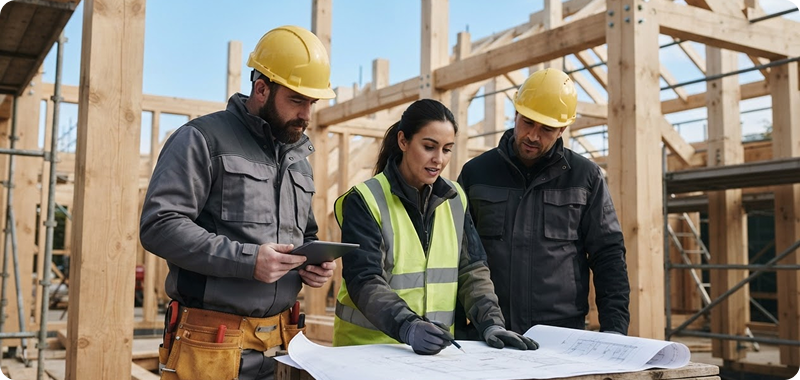
Good coordination begins with clear responsibilities. Identify who leads the design, who answers site questions, who approves changes, and who communicates with you. Decide how drawings, schedules, and decisions will be recorded so everyone works from current information.
Set a regular rhythm for project updates. A useful update explains what has happened, what is coming next, and what decisions are needed. If the scope changes, record the proposed work, its cost and time implications, and approval before proceeding. A shared record protects clarity on both sides.
Prepare for the first day on site
Before work begins, review the agreed scope, the latest documents, required approvals, and the arrangements for access and site safety. If a building will remain occupied, discuss temporary services, separation from work areas, and how disruption will be managed.
A pre-start conversation is a chance to check that the plan still matches the vision. Confirm the next milestones and the person to contact when a question arises. Construction will always involve decisions, but a considered start gives those decisions a clearer framework.